Ghost Driver Near-Miss Mastery
Earn like a ghost — close enough to score, calm enough to survive.
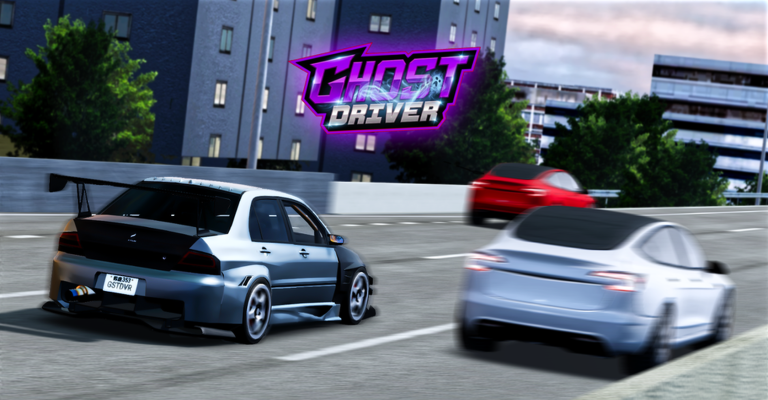
Near-misses are the heartbeat of Ghost Driver. Cash scales when you thread dense highway packs without painting bumpers. This Pro Tips page turns that idea into drills you can repeat after codes and car buys.
The near-miss contract
- Close proximity pays.
- Contact resets rhythm and often your multiplier.
- Speed only helps if your eyes arrive before your bumper.
If you want the money loop framed as a route, use How to Earn Cash. This page is about the micro skill inside that loop.
Vision stack
- Read two cars ahead, not the hood ornament.
- Spot pack density early — three-lane walls need exits planned now.
- Prefer third person while learning (Controls).
- Flick to first person only on known empty straights.
Throttle discipline
Full W through a compressed pack is how highlight reels become respawns. Feather speed to keep steering authority. A slightly slower clean cut out-earns a heroic crash.
Lateral patience
Early, shallow A/D arcs beat panic flicks. Enter the gap already pointed correctly. Combine with short handbrake taps only when steering alone under-rotates — How to Drift.
Drill ladder (20 minutes)
| Block | Focus | Success metric |
|---|---|---|
| 5 min | Follow distance only | Zero contact |
| 5 min | Single-lane overtakes | Ten clean passes |
| 5 min | Dual-lane cuts | Eight clean, two forgiven |
| 5 min | Headlights + night pack | Survival first |
Log results in Beginner Checklist.
Linking near-misses to garage progress
Clean minutes fund How to Buy Cars. Set the purchase name in Cash Goals so you are not mid-pack window shopping.
Duel translation
The same spacing IQ wins Highway Duels. Opponents punish wide drifts and camera panic harder than NPCs do.
Advanced habits from the Pro Tips hub
Pair this page with Traffic Cutting Tips for lane-pack reading and ego control. Together they form the Pro Tips backbone under Pro Tips Hub.
Failure autopsy
After a crash, pause one breath and name the cause: late eyes, long Shift, camera swap, or duel tilt. Unnamed crashes repeat forever — that is literally Common Mistakes.
PRE-ALPHA caveat
Physics tweaks can change how “close” feels. After patches, rerun the five-minute follow-distance block before you trust old bravery. Milestone context sits on Like Milestone.
Related routes
Master the miss. The ghost nickname should describe your line, not your Wi-Fi.
Sound and rhythm cues
Engine note and NPC whoosh can telegraph density before your eyes finish parsing. Play with enough volume to hear pack compression, not so loud you miss Roblox invites.
Group sessions
When friends draft you into chaos lobbies, protect one personal rule: no near-miss drills while everyone is meme-honking. Schedule a calm ten-minute block first, then social chaos. Skill needs quiet reps.
Mobile near-miss notes
Touch latency argues for wider safe margins. Use Mobile Controls and accept that phone mastery is about consistency, not copying PC clip distance.
Scoring honesty with yourself
Count only cuts you would happily show a friend. If you flinch-steer through a gap and survive by luck, do not mark it as mastery. Honest logs in the Beginner Checklist teach faster than inflated highlight counts.
Weathering empty servers
PRE-ALPHA lobbies sometimes feel quiet. Use empty asphalt for drill blocks above, then hop servers when you want duel pressure. Skill built alone still transfers — see Highway Duels when the highway fills again.
Closing loop
Eyes early, throttle soft, exits planned, ego parked. That is near-miss mastery in one sentence — everything else on this page is just how you practice it until it sticks.
Frequently Asked Questions
Quick answers to the most common questions.
Do near-misses really increase Ghost Driver cash?
Yes. The loop rewards risky proximity done cleanly. Crashes break the rhythm that fills your wallet.
Should I always drive at top speed for near-misses?
No. Feather throttle so you can steer. Clean medium-speed cuts beat crashed redlines.
What camera is best for near-miss training?
Third person for learning. Add first person later on straights you already understand.